• Recipe: Pumpkin Chicken Noodle Soup

    by Parker Wolfe

    My favorite time to cook is during the autumn. This is when I harvest the bulk of my garden treasures and am able to cook delicious stews. The garden is modest and usually produces fruitful harvests of beans, peas, corn, squash, melons, and herbs. Getting out in the garden this year has been difficult as we navigate new responsibilities and harsher summers, but stuffing fingers into loamy soil is invigorating.

    This Pumpkin Chicken Noodle Soup recipe was born after a rough year of illnesses in 2025. Out of both convenience and need (Hubby and I were homebound and needed to save money), I experimented to make a soup that would soothe us as we worked through our infections.

    I felt a bit cheeky throwing whatever we had on hand into my Dutch oven. A Wiccan friend of mine passed along a funny quote where she told me, “Soup is Witchcraft. We put plants, spices, and dead animals into a cauldron and follow the instructions in an ancient book.”

    I bent over laughing and now think of this quote every time I make a soup. I even felt a little spark of magic creating this one.

    We usually make our own pesto sauce out of the Thai and Genovese basil we grow. Instead of using pine nuts, we use pistachios; it is both cheaper and tastier. We also used the fresh lemon thyme, rosemary, marjoram, and pinkeye purple hull peas from the garden. If you can get a hold of fresh pumpkin or squash and puree it yourself, even better.

    Even though our stew was fairly local with some heirloom ingredients, use the ingredients available to you if you decide to try out this recipe. Use store bought varieties of everything you cannot grab from your yard. No hard feelings or judgements. For extra flavor, I recommend smoked paprika and applewood smoked sea salt. If not, regular old sea salt or Kosher salt will do.

    The color of your soup may differ depending on the kind of pesto sauce you use. Sometimes our soup is green. Other times, it is burnt orange. Yet, that is the magic of cooking from scratch; it is almost never the exact same every time.

    Ingredients

    • 1 lbs (450g) chicken (breasts, thighs, or drumsticks)
    • 2 tbsp paprika
    • 1 bunch fresh lemon thyme
    • 1 sprig fresh rosemary
    • 1 bunch fresh marjoram
    • 6 tbsp extra virgin olive oil
    • 1 large sweet onion (roughly chopped)
    • 8 garlic cloves (finely chopped)
    • 2 green onion (sliced)
    • 2 carrots (peeled and sliced)
    • 9oz/255g fresh sweet corn
    • 32oz (900ml) bone stock or chicken broth
    • 15oz/425g pumpkin puree or squash
    • 1 cup/200g pesto sauce
    • 1 tbsp vinegar
    • 2 bay leaves
    • 1 cup/200g pinkeye purple hull peas
    • 1 cup/150g egg noodles
    • salt and pepper to taste

    Instructions

    1. Preheat your oven to 225°F/110°C.
    2. Wash and pat dry the chicken. Season it with the paprika and a generous amount of salt and pepper.
    3. Heat 2 tbsp of the olive oil in a large Dutch oven.
    4. Sear the chicken on medium heat until brown on both sides and cooked through. Remove the chicken from the heat and set it aside in a warm place.
    5. Heat another 2 tbsp of olive oil in the same Dutch oven and sauté the onions, garlic, and herbs on medium heat until fragrant and translucent. Add the carrots and corn, and sauté for another 10 minutes on low to medium heat. Season with salt and pepper and stir.
    6. Add the stock, pumpkin, vinegar, and bay leaves. Shred the chicken and add it to the soup.
    7. Bring the soup to a simmer. Cover the Dutch oven and place it into the oven. Cook the soup for 1 hour.
    8. Remove the soup from the oven, then carefully stir in the peas, egg noodles, and the 2 last tbsp of olive oil. Season with salt and pepper to taste.
    9. Replace the lid and cook the soup in the oven for another 30 to 45 minutes or until the noodles are fully cooked.
    10. Allow the soup to cool for at least 15 minutes before serving.
  • October 2026 Reading List

    by Parker Wolfe

    I’ve slowed my reading down a bit to accommodate time for writing. I work full time, so writing has been consuming most of my afternoons and evenings. I truly want to get my draft finished no later than April of 2027. By then, it will be a year since commencement.

    However, I still have an October reading list. I don’t see myself finishing all of the books, but they somewhat fit my cozy themes of October: fall harvests, Halloween, and Samhain.

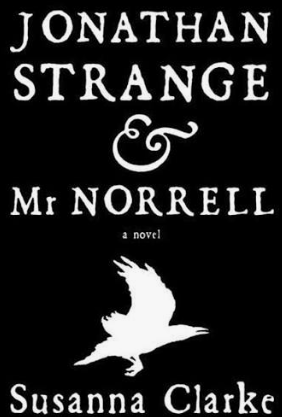
    Jonathan Strange and Mr. Norrell by Susanna Clarke

    Jonathan Strange and Mr. Norrell is a story of two rival magicians and the turmoil between them during the Napoleonic Wars.

    I started this book in the summer, and since it is a hefty read at 1006 pages in superfine print, I’ve been reading it in “episodes,” digesting it carefully since it is an intricate read with insane amounts of exposition.

    I bought this book almost twenty years ago when I was a young aspiring writer seeking fantasy books outside of Tolkien for inspiration. I was still in high school, and admittedly the sheer volume of the book and its British allusions overwhelmed me.

    Now that I’m much older, I understand the references and contexts a lot better. I enjoy the mysteriousness of the magic system and the in-depth way Clarke weaves its history into the plot, making it feel like an extraordinarily entertaining history lesson.

    The characters are also quirky, but not in a superficial way. Their foibles coincide with their predicaments. I also enjoy Mr. Norrell’s introduction, as he unwittingly tortures people with curiosity, but clearly is passionate about the craft of magic like a professor passionate about their research.

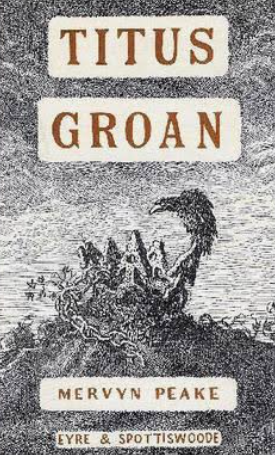
    Titus Groan by Melvyn Peake

    Titus Groan is the first installment of Gormenghast, a gothic story set in the broken down estate of the same name. It tells the story of a bunch of eccentrics essentially being tortured by the suffocating traditions of the estate and the Groan Family that inhabits it.

    I learned about this book from a video essay (I unfortunately forgot the name) while researching fantasy books from before Tolkien’s Lord of the Rings. This treasure of a book has a unique, dark, yet comical style that reminds me of Tim Burton—and Burton was not even born yet at the time it was published.

    I’ve been enjoying this book the most out of all of my reads because it feels new—despite being published in 1946. I enjoy visually stimulating writing, even when it is challenging to read. The plot so far is not clear, but the chapters show glimpses into the lives of people, and a mystery appears to be developing around the uncertainty of the new heir of Gormenghast.

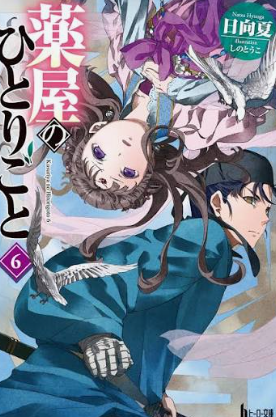
    The Apothecary Diaries Vol. 6 by Natsu Hyuuga

    I used to be an avid anime fan and manga reader. At this point in my life, I’ve largely outgrown much of it and find myself only re-watching and re-reading my favorites from between 1970 and 2010. I decided to give The Apothecary Diaries a try after learning that it wasn’t just another Shoujo (essentially young adult) story.

    This story has three versions: the light novel, manga, and anime. I am reading the light novels alongside the anime since they are further along in the story than the show. This is also my first time reading a Japanese light novel, and I’m finding I prefer them over manga since they add quite a bit of context to the story.

    I truly enjoy The Apothecary Diaries and its in-depth political drama and medical mysteries. The romance is extremely subtle and complicated due to the presence of politics and trauma (Maomao, the protagonists, has had it rough). She is unrelenting in her survival tactics, and it is fascinating to watch her navigate a world where she has few rights and a single mistake could result in her demise—all while balancing her obsession with herbalism.

    I am not a massive fan of the translation style, but I can forgive it since the target audience is not literary obsessed people. A few quick Google searches also helps to clarify confusion that occasionally appears within the translation.

    Don’t be fooled by the colorful art and palace setting. This story gets dark.

  • Why I Can’t Be a Pantser

    by Parker Wolfe

    ,

    A Pantser is a writer who goes with the flow and writes without a clear direction, outline, or process. It is a lofty strategy meant to remove boundaries and welcome artistic freedom.

    The first novel I ever wrote was a “Pantser Novel.” I wrote, letting the ideas frolic away until I had a 350 or so paged book. One day, I’m going to prepare for the cringe and re-read it. However, not once have I been able to write that way again.

    My first book is definitely filled with problems: ideas that did not age well, abusive romance, a wacky third-person omniscient narrative, and probably every overused fantasy and anime trope. What did I expect? I began the book when I was twelve or thirteen and finished it when I was sixteen. I don’t ever plan on publishing it.

    Now that I’m older, wiser, and feel like I know nothing, I learned that the reason for my decades long writer’s block had more to do with a lack of structure than a lack of ideas. It’s easy to start a story with no direction. It’s near impossible to write a middle and an end with no direction. And so, I’ve collected dozens of unfinished Word documents with writing I found rather lovely, but sadly with no focus. There were characters wandering around, trying to discover vague enemies in a world with too much useless detail.

    I can’t be a Pantser anymore because I’ll be tempted to put everything I’ve ever imagined into a book, then be paralyzed by the over ambitious attempt.

    A New Flow…

    Letting my story flow and learning as I write is still part of the process. That said, I still need the skeleton that holds the body together. This isn’t to say that my book has been perfectly and completely architected. However, I do have my ending thought out, and a rough sketch on how to get there. Plot structures are a godsend.

    The Tale Tinkerer on YouTube has a helpful video about how being a pantser can be troubling for many fantasy writers. In his video The Pantser Myth Destroys Fantast Writing, he expresses how pantsing can stall fantasy stories because there is no “blueprint…to complete the work.”

    This is not to say that every fine detail needs to be fleshed out before one begins writing, but it is to say that a map-less adventure might lead one off a cliff! All of my stories ran me off a cliff.

    Combining Save the Cat and The Hero’s Journey

    For my story Eclipse, I am using a combination of blueprints to assemble my plot structure: Save the Cat and The Hero’s Journey.

    Save The Cat involves a more complicated “Three-Act” structure in which the story begins with an opening image, theme, set-up, catalyst, and a debate before the hero must make a choice and enter their new normal. By the midpoint of the story, the antagonists close in and all hope is lost. By the resolution, there is a reconning between the hero and his or her goal, an epiphany, then a finale.

    The Hero’s Journey describes the hero leaving their typical life after being called to an adventure. They are then initiated into an unfamiliar world and must face trials and tribulations as well as encounters with mentors, friends, and antagonists. The story is resolved when the hero triumphs (or not) and returns home with a new philosophy on life.

    How These Plot Structures Work in Eclipse

    The overarching theme or question I am working with in Eclipse is “How do we maintain our humanity in a world constantly working to take it away from us?”

    Each of my characters is wrestling with holding on to what makes them human in three important ways: dignity in health, dignity in community, and dignity in purpose. How do our current social systems pull each of these away one by one? How do we revolt to gain dignity back?

    My heroes journeys, I hope, reflect these questions in the plot structure. This is the clearest I’ve ever written them to be, for each of them struggle with these three concepts.

    I had way more I wanted to talk about before narrowing down my book to just these three ideas. Having a structure helped to keep my brain focused on the meat and potatoes of the plot, and not run my story off a cliff and into another unfinished heap.

    The Hero’s Journey structure is the most prevalent in my planning process. It is structured enough to provide a solid skeleton or foundation for my story, but also flexible enough for me to make sudden changes that might be necessary for the plot to work. Save the Cat can be a bit limiting, and I found myself combining plot points to make my story smoother.

    Since exploring with these plot structures, I now find it easier to develop a solid plot. Time to continue the hard work.

  • 3 Star Ratings Aren’t Bad: A Ramble About Book Ratings

    by Parker Wolfe

    ,

    Just to get this sentiment out of the way, everyone is entitled to their opinion and taste in books. We can’t all be the same, and neither should we be.

    That said, I was on Goodreads the other day and I couldn’t help but notice a staggering number of books I’ve loved receive 2 or 3 stars, or just barely graze 4 stars. Some books that lack a cohesive plot, comprehensive characters, and horrid pacing receive 5 stars with an emphasis that they would be given more if the rating system allowed it.

    Obviously, my humble opinion in a tiny corner of the internet is not a great barometer for measuring what sells and what does not (especially since I am an unpublished writer), but I am not the only reader out there noticing the degrading quality of stories. Much of the language appears monolithic (lacks variety), almost like the corporate-speak expected in blogs and articles so that it will be detected by Search Engine Optimization.

    As an aspiring fantasy writer and a fantasy reader, I can’t help but notice the constant barrage of modern squabbling language thrown into medieval or fantasy worlds, recycled romance tropes, throwing every mythological creature and Lord of the Rings race in sight into the world, and/or battle-royales within school settings. I was once excited to dive into Goodreads for some good fantasy after reading mostly literary fiction the past year. The onslaught of rabid 5-star ratings convinced me that I would have an amazing time with today’s fantasy stories. Boy, was I heartbroken.

    Can we please bring back 3-star ratings for stories?

    My Adventures with Romantasy and the 5-Star problem

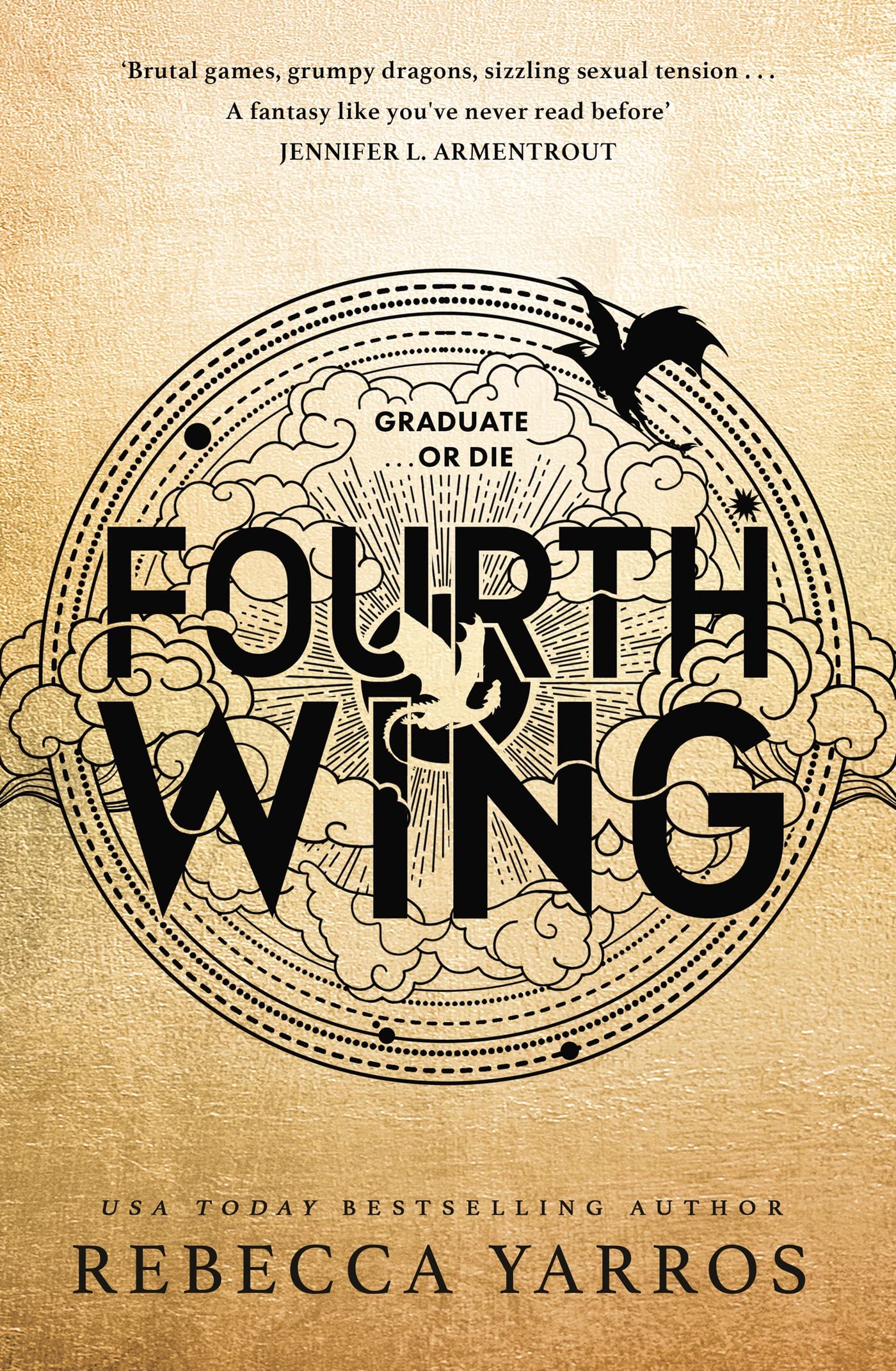
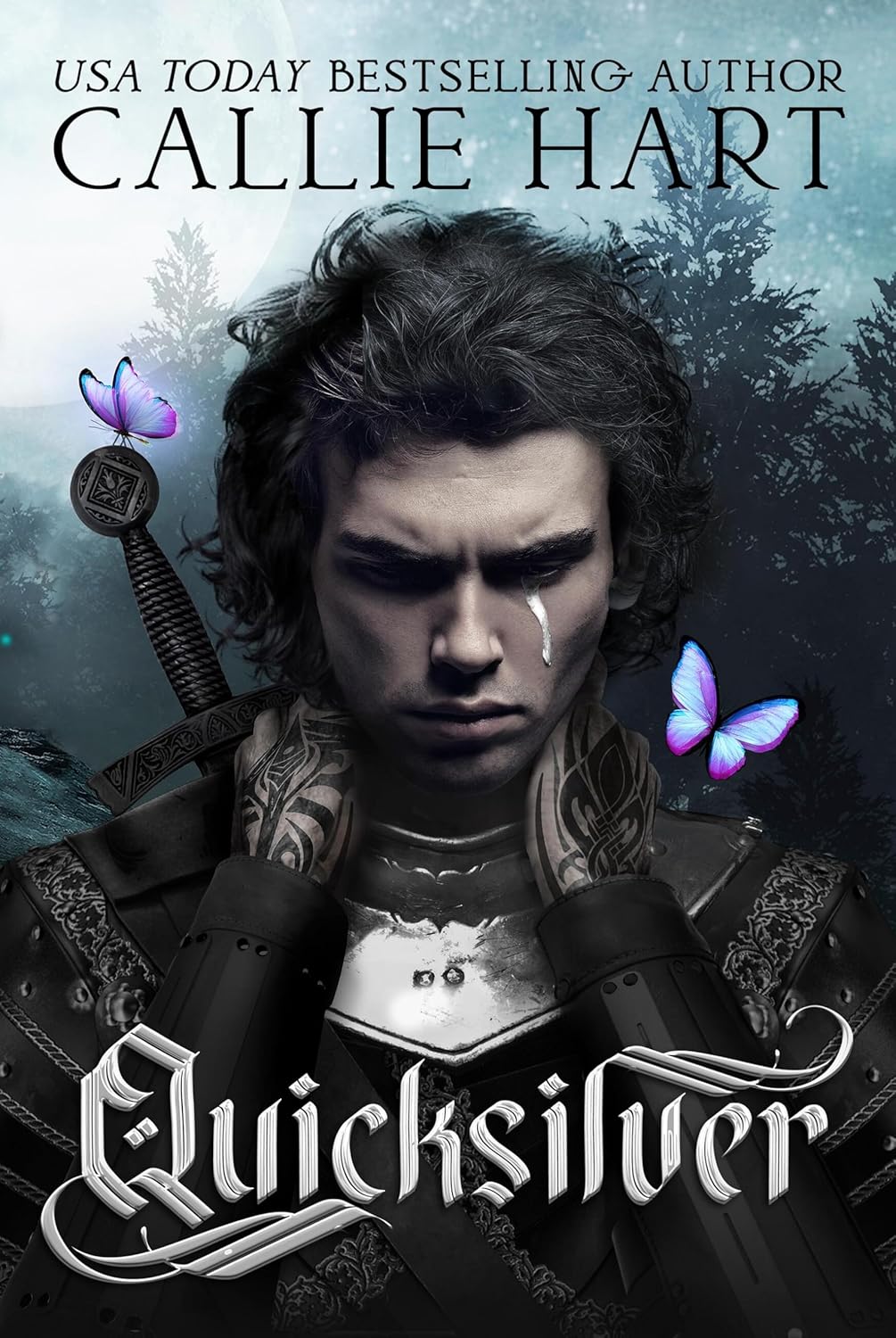
    As an example of my disappointment, after reading Fourth Wing by Rebecca Yarros, Quicksilver by Callie Hart, and Silver Elite by Dani Francis, I am struggling to understand the appeal of these stories when the main characters do incredibly idiotic things just to move the plot along, and the world-building seems so chaotic. For the record, I do commend these authors for their success, and it is wonderful that these stories have profoundly touched readers; I hope these authors continue to hone their craft. I also envy how quickly they can turn out books and I look up to their incredible holding power and marketing. I aspire to that sort of success for my own work one day.

    I mainly wish that the ratings reflected truly powerful prose, introspective characters, and thoughtful themes.

    ***Minor Spoilers Ahead***

    Violet of Fourth Wing is supposed to be incredibly intelligent and a weak fighter…, yet she often makes decisions that put herself and other people in danger. She also fights with daggers—which is a horrible choice for a supposedly physically weak and petite woman who needs to overpower an attacker (a polearm or sword would be the better choice).

    Saeris from Quicksilver is supposed to be street smart, and she quickly allows herself to get tricked into a servitude spell because she missed the not-so-fine print (it was glarying) about having to fully comply with orders in exchange for rescuing her brother.

    Wren from Silver Elite is the worst. She is supposed to hate the authoritarian government and military oppressing her, and in the first chapter she sleeps with a soldier from that faction. On top of that, she clearly cares more about “hot guys” than her uncle who was executed by these same authoritarians because she almost never mentions him again.

    ***End of Spoilers***

    If you are a fan of these stories, that is fine; I myself have my guilty reading pleasures. My argument is not that these “okay” or “bad” books should stop getting published. Instead, I believe we should bring back harsher, nuanced, criticism and honest reflections on these stories and their characters. I would give these popular romantasy stories 3-stars—except for Silver Elite. Silver Elite is easily 1-star for the most air-headed protagonist of all time. She’s an unreliable narrator to the max, boasting skill and ferocity without the evidence to back it up. She has two brain cells fighting for third place.

    Bring Back 3-Star Ratings!

    3-Star Ratings aren’t inherently bad. They recognize that a book possesses all of the components of a structured story: a clear plot, standard characters, and a theme. Perhaps they merely leave the reader wanting more, or the message was unremarkable. Perhaps the rhetoric or prose was too plain or predictable. None of these traits, however, make it a bad story.

    5-Star Ratings should be given to outstanding stories—stories with careful, beautifully written prose, thought-provoking themes, and words that leave impressions on the minds of readers. Granted, gauging what constitutes these characteristics is challenging since personal taste is also valid. I would love if stories did not insult the reader with obvious inconsistencies.

    I hope that if or when my own stories come out that I get roasted as well. Tell me when my plots don’t make sense. Tell me when my characters do unreasonalby idiotic things.

  • I Gave Up on Reading Goals and Just Read

    by Parker Wolfe

    ,

    Just a few days before October!

    As the year comes to a close, I look back on my book snake and the reading goal I set for myself of forty-eight books for the year. With three months left, I am at twenty-one books—twenty-seven left to go. I am definitely not going to make that goal unless I read short novels and novellas for the remainder of the year.

    And, that’s just the thing: is it worth reaching a reading goal when I am doing so based on the length of the book rather than the content and context of the book? What about the book’s quality? My overall experience and enjoyment?

    Intentional Reading

    Yesterday, I picked up Titus Groan from the Gormenghast Trilogy by Mervyn Peake. It was published in 1946, and is part of the era of fantasy literature before Tolkien’s Lord of the Rings. I was inspired to get my hands on the trilogy after learning of fantasy books from the same era in a video essay.

    After only fifteen pages, I was hooked by Peake’s extensive imagery, attention to body language, and the gothic details that put the introductory characters of Rottcodd and Flay on full display as colorful eccentrics of a beaten down estate.

    It was the kind of imagery I am desperate to have. The book reminded me why I read. And, it isn’t to consume as many short books as possible. I read to feel. I read to process. I read to explain the world around me beyond the limitations of my five senses. I read because I love a good story. And, I read to make me a better writer. My quest to consume short novels fulfilled very little of my reason to read.

    Instead of trying to reach a goal, I decided to just read. The practice is enjoyable again.

    Stifling Reading Goals

    There is nothing wrong with having a reading goal. For my purposes, however, a more tangible goal is to read more books than the year before. Or, read three philosophy books. Consuming books with the empty goal that is numbers takes away the power and impact that a book can inflict on the reader. This impact is what I seek.

    Of course shorter books are capable of this impact. However, the impact (at least for me) should be based on the quality and content of the writing over the number of books read. I can read a hundred books full of empty calories. Or, I can keep on chugging along with my slow reading of better stories.

  • Liking a Villain More than the Hero

    by Parker Wolfe

    ,

    I have a concern.

    Why do we seem to like villains more than heroes?

    I once taught a medica literacy lesson about Frank Abagnale, the infamous felon who impersonated an airline pilot, lawyer, and doctor, while also engaging in countless cases of cheque fraud. Although there are definitely worse felons, I am still amazed at how much my students admired his escapades and how they viewed Abagnale’s girlfriend or the people he cheated as the villains.

    Although villains make for fascinating case studies of human psychology in media, I wished we would like heroes more. Is it a moral failing of our society that we tend to side with the perpetrators? Or, is a functional society too boring and we require endless simulation to keep us engaged with life? Perhaps heroes seem “boring” because they are “too perfect.” Admitedly, Superman was never my favorite superhero. But, I do quite enjoy Batman.

    I can roll several villains off my tongue that I enjoy more than the hero: practically every antagonist in a horror movie: Jason Voorhees and Freddy Krueger. Antinous in The Odyssey, and Hannibal Lecter in Silence of the Lambs. I do generally like Joker, Harley Quinn, Catwoman, and Poison Ivy, more than Batman… but I enjoy them all as excellent and interesting characters—not as models of citizenship.

    But, I find myself wishing that there were more likeable heroes. I want to see a character that has the insanity of The Joker, but instead of murdering, he saves lives. I want to see a femme fatale, like Catwoman, who seduces a villain into ruin.

    It’s something I hope I can be successful with in my own stories. How do I get righteousness to appear sexy without the “perfect hero” that does no wrong and girl-bosses and guy-bosses their way out of everything? Perhaps the way is to write heroes who have to make challenging and difficult decisions—violent or not— while remaining true to their convictions.

  • The Outsiders’ Book Club: The Cat Who Saved Books by Sosuke Natsukawa

    by Parker Wolfe

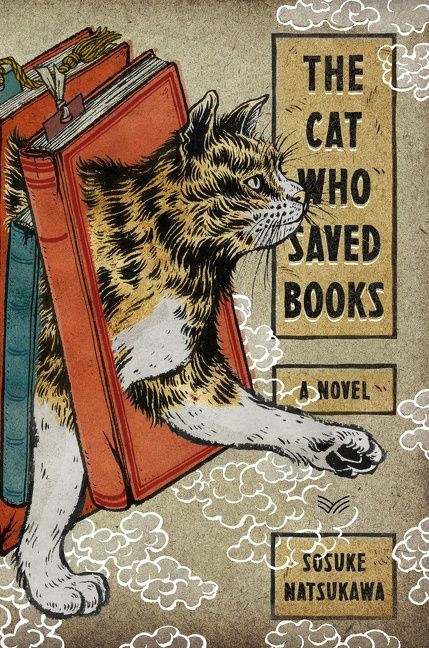
    I bought The Cat Who Saved Books as part of my Japanese Book Haul some time ago. Cats and books are among my weaknesses (and good yarn), so I couldn’t resist the gorgeous cover art and the premise of the tale.

    Sosuke Natsukawa’s novel tells the story of Rintaro Natsuki, a quiet and introverted high school student who gets sucked into a journey with a cat named Tiger to save books in peril.

    It reminds me a bit of Bruce Lee’s unfinished Game of Death, in which his character has to encounter levels of opponents to complete his objective. This this story’s case, it is levels of book abusers! Our novel, however, is a tad more lighthearted and with a lot less blood.

    Without spoiling the story, however, The Cat Who Saved Books is a heartwarming read with many allusions to how books are often treated today: mass produced content or fodder for Artificial Intelligence training data. This book feels like a critique and a metaphor for the industrial hydraulic cutters and high-speed sheet-feeders AI companies use to train their learning language models.

    Other times, the book is a metaphor for people that treat books solely as containers of information. People today are impatient to “get to the point” and neglectful of reflecting on the words read. Too Long Didn’t Read is a sentiment shared among many who see a wall of text and their instinct is to stop reading—so, they opt for summaries instead.

    This book reignited my love for reading at a time when I began reading less. Even though I personally enjoy reading, it is still a practice that requires one to train their attention span in a post-modern world of distractions and addictions.

    This is definitely a short and kind read for those passionate about the written word and keeping it alive.

  • Like My Book Snake?

    by Parker Wolfe

    Although my passion is books, crafting and mixed media are a close second place. Woven between exhaustive writing and slow reading is a good crafting project. I used to knit, sew, and crochet for hours at a time, dishing out multiple cardigans and hats. I’ve reduced my number of projects, however, to accommodate my writing and limit distractions.

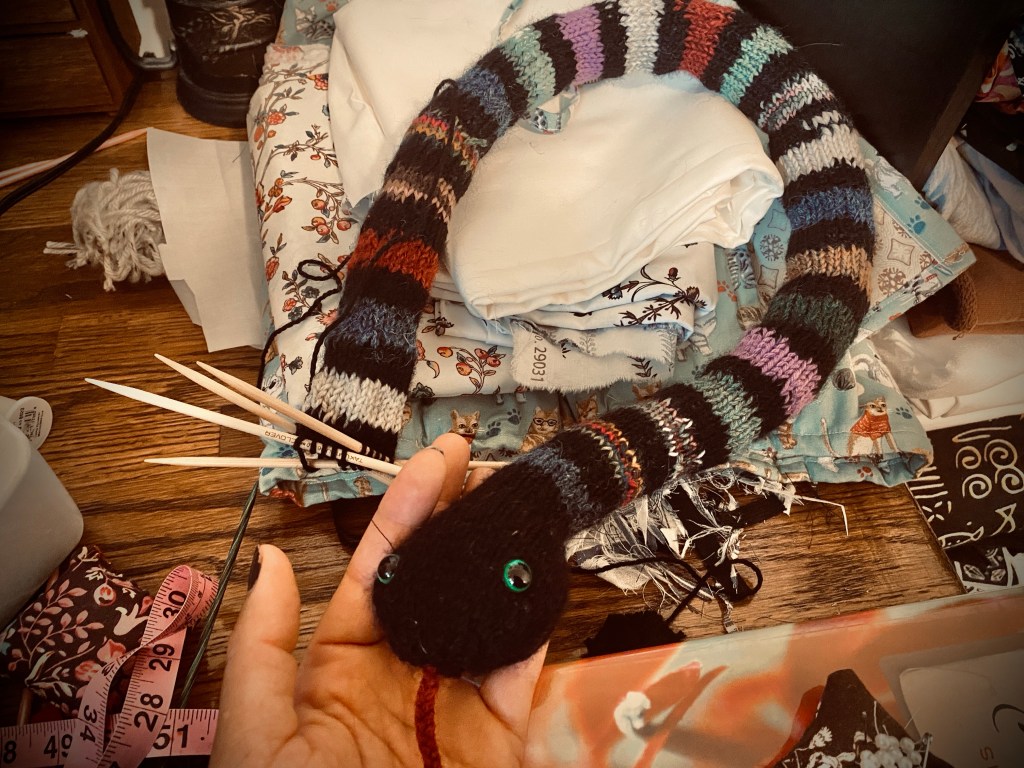
    At the beginning of 2026, I began knitting The Book Snake Pattern by Han Lee. It’s a knit snake plush pattern that also serves as a book tracker. Every colored stripe equals a book read.

    While scrolling Ravelry and YouTube knitters, I came across this pattern and thought it would be a fun way to keep track of how many books I read. As a slow reader, it’s quite a motivator to keep the pages turning. It’s also an excuse to use up some scrap yarn.

    I’m currently at twenty-two finished books—which is a huge milestone considering my typical reading average of two to five books annually, with a few rare years of ten. I need to knit another stripe on my snake.

    I used to feel a bit odd for being a slow reader, but reading for me is a highly sensory experience where my mind is fully immersed. I even re-read parts if I am wowed or confused and need to process what I’ve read. There is also the reality that I read particularly long books averaging 600 to 1200 pages, which could equal three to six books on their own.

    I’m currently reading Jonathan Strange and Mr. Norrell by Susana Clarke, which is a whopping 1006 pages—I started it in July and I’m not finishing it anytime soon. I am also reading other books between readings so that I get a break. Essentially, comparing one’s number of books read to another’s is moot when word count varies.

    It can be tempting to gamify the Book Snake, but working with my adorable fuzzy friend has allowed me to take a valuable lesson into my heart: read for any reason but for the number.

    In the beginning, I kept my books short (100 to 200 pages) so I could watch my book snake grow. However, speeding through books ended up not being enjoyable since my reading preference is to do it slow and steady with thoughtfully written stories.

  • What Is My Emotional Avatar?

    by Parker Wolfe

    I found an artist who goes by Way Walker who created a video titled How to Create Your Best Art. A lot of what he says has this magical ability to stick to your soul; as if it is exactly what you need to hear in a particular point in time.

    He expressed that every artist should ask themselves, What Is Your Emotional Avatar?

    Essentially, who is your art for? Why are you creating it? What is its purpose?

    The more I write Eclipse and collect materials for other projects, the more I come to my underlying purpose—something that has been bothering me for decades:

    Why does our society run on the opposite of happiness?

    There is a me who wants a better world.

    There is a me who loves people and the beautiful things we are capable of.

    Way Walker said in his video, “The more personal it [the art] is, the more universal it feels.”

    Thus, instead of worrying about whether or not my work can cater to everyone, I should speak to who I am creating my art for.

    What is my emotional avatar? I am creating for every person who wants to be and remain human in a world constantly working to take that away from us.

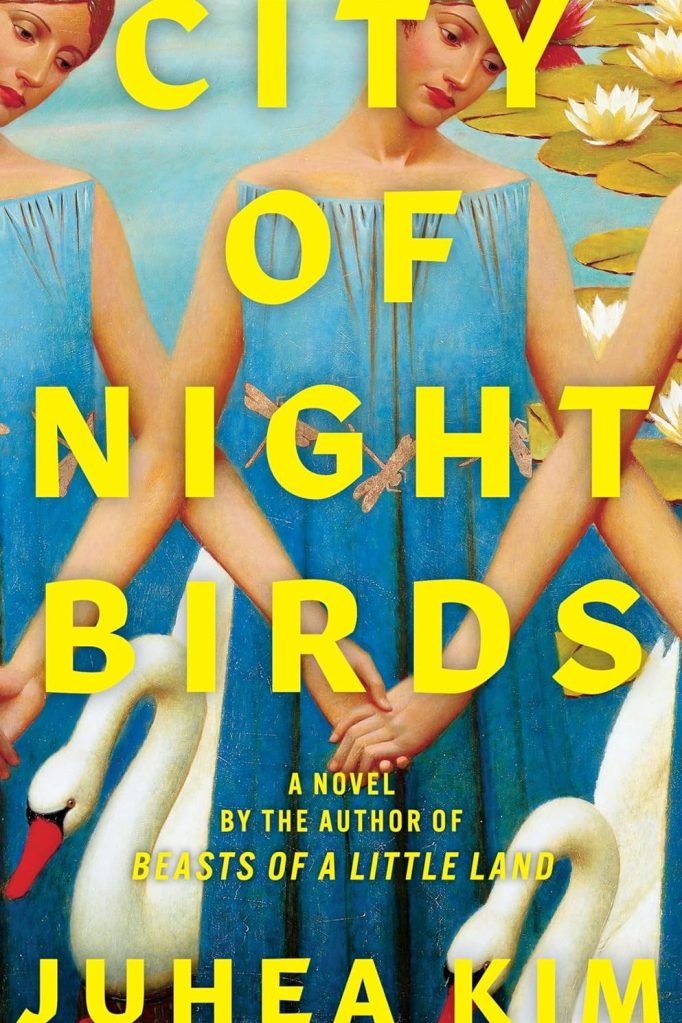
  • The Outsiders’ Book Club: City of Night Birds by Juhea Kim

    by Parker Wolfe

    A City of Night Birds was one of the books my friend’s bookclub chose as the “romance” pick of the season. Although, truth be told, what I adored about this story was that the romance had less to do with the relationships between couples; it was more like the relationship between an artist and their artform.

    A City of Night Birds tells the tale Natalia Leonova, a prima ballerina in Russia facing depression and an identity crisis after a fateful incident rips her ability to dance away from her.

    Highly poetic and beautifully metaphorical, it is a story artists know too well: the seemingly impossible balance of the self, art, and the world beyond. What should be sacrificed for the sake of honing one’s craft? Can one sacrifice their craft for the importance of familial and societal obligations? Do we lose ourselves as artists to our work, or do we become the art? Does the art erase the rest of us?

    This is a book meant to be read carefully and slowly so as not to miss the rhythmic metaphors for Natalia’s mental and physical states. If a reader skims through the book, many ideas and reflections can get lost. The language is marvelous for reflecting on one’s own relationship with their art.

    This one is definitely one of my favorite books this year.