
I had a bad habit of not reading enough books about writing. There are so many online references that give good advice, but with the homogenization of the internet, it’s interesting to find more colorful resources from before algorithms and learning language models were mainstream.
I used to scoff a bit at books about writing because the ones that I was used to reminded me of college writing courses where the acceptable style was essentially anything that could be compared to the Great American Novel or Franz Kafka.
I spent years thinking I had to abandon my genre preferences to fit in with the cool kids writing clubs. Although I am still developing a style and working on my craft, an incredible art video (forgot the name again) taught me some important lessons, and I became inspired to read some writing books for personal growth even if I don’t necessarily follow all of the practice exercises within.
At my library, I found two books in particular with some pretty solid advice:
The Jane Austen Writer’s Club by Rebecca Smith and The Art of X-Ray Reading by Roy Peter Clark.
The Jane Austen Writers’ Club

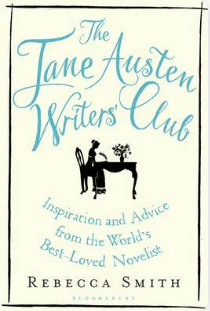

Rebecca Smith is a distant niece of Jane Austen, and writing does indeed run in the family. As an Austen fan, this was a wonderful book to read in that it provided several writing lessons about plot and characterization that both Smith and Austen deconstruct.
One of my favorite takeaways from the book is the narrative technique called free indirect speech where the third-person narrator mixes their voice with the character’s perspective, thoughts, and rhythm. The characters thoughts are placed into the prose naturally, keeping the emotions, viewpoints, and even some slang typical of the character.
The Art of X-Ray Reading

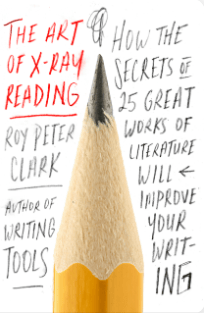

Roy Peter Clark’s book discusses literary writing strategies that help generate meaning beyond the words of the page. In other words, he takes the works of literary masters and uses them as prime examples for writing mood, creating meaning through imagery and common objects, and organization of prose.
This book helped to break down the organization of prose by helping me find common patterns in my own writing. I tend to overuse passive voice, too many synonyms, and similar sentence starters. This book made me more aware of these shortcomings so that I can get rid of them early in the drafting phase.
Takeaways
Although I’m not trying to write perfect drafts the first stime (this is impossible), these books have been valuable in helping me locate, assess, and fix common problems with my own prose. I highly suggest them.

