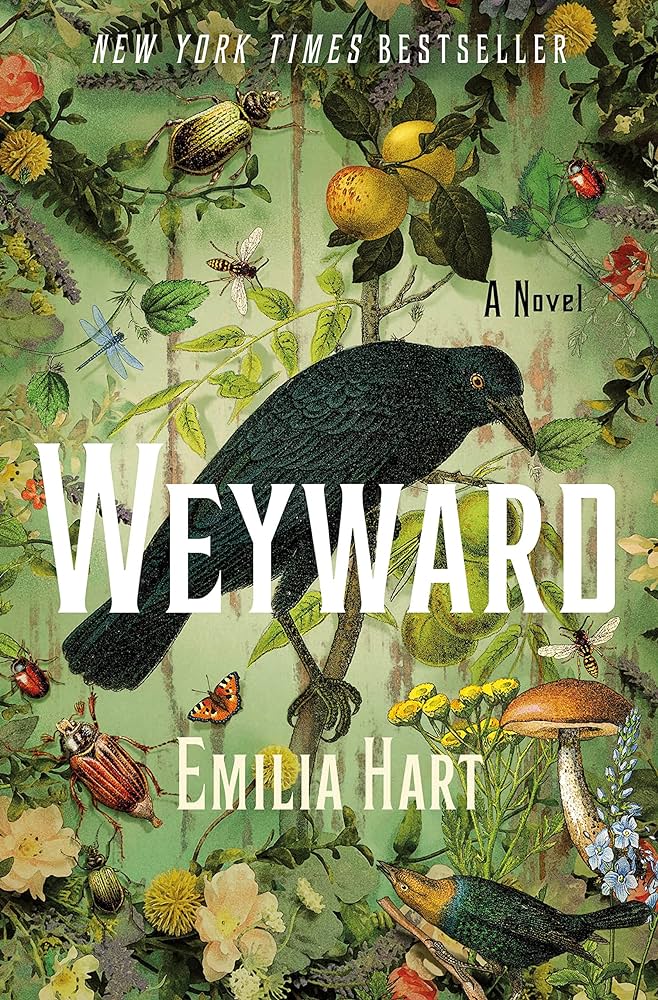
Weyward was my introduction to Emilia Hart, as well as the beginnings of a beautiful friendship with a colleague of mine. Around the time when I had thought I would never read or write again with the same passion as I had as a teenager, I was invited to join a book club at my school by a fellow English teacher whom I originally thought I had nothing in common with. If this isn’t the greatest lesson in not judging a book by its cover, then I don’t know what is.
Weyward is a story of female survival in a world dominated by relentless misunderstandings, accusations of witchcraft, and the consequences of losing oneself when patriarchal dominance removes one’s agency. It isn’t quite a secret that women who were different—I think the appropriate phrase is women who just wanted to be themselves—faced all manners of persecution including death when they refused or simply were unable to navigate society at large. Weyward shows such dynamics through the interconnected stories of three generations of women with subtle weyward gifs.
If you’re cautious about dabbling in the occult, this is definitely a sanitized read. It gets moderately dark and there is a touch of suspense when danger rears its ugly head with each protagonist. I did, however, wish there were more interactions with the antagonists; they did not seem to be entirely fleshed out, appearing somewhat “evil for the sake of being evil.” I would have appreciated more interactions between them and the protagonists to intensify the plot’s friction.
Otherwise, it is still quite an enjoyable read, and I appreciated the subtleness of the magic. It aligns more with everyday folk magic as opposed to complex magical systems with mages and wizards.
 Galls & Walnuts