
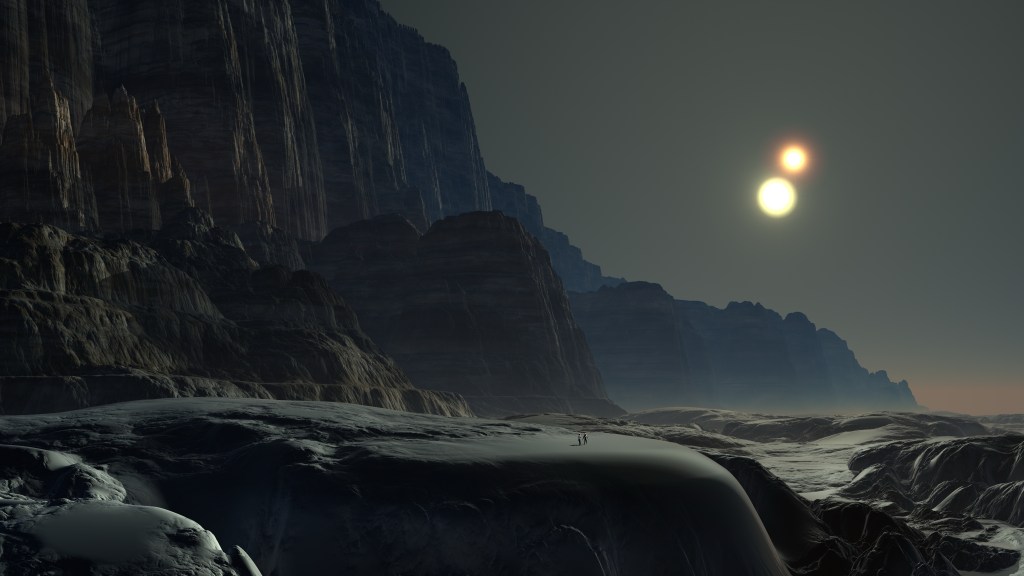
My favorite teapot chai and a bagel with cream cheese in tow, I expected to spend my Sunday afternoon shredding through my story with some new plot developments. Only one problem: there was an extensive hole in my worldbuilding that I had not yet fully solved: the rotational axis of my world.
Worldbuilding is the most riveting, exhausting, and chaotic process, and it is fascinating to watch my map evolve over decades. I first started the world in my tweens, and now I’m a young-ish, middle-aged adult. Clearly, I’ve put an unreasonable amount of time into this world. It might be strange to dwell on a worldbuilding hole when fantasy requires suspension of belief. With that said, realistic, physically possible elements woven between sword and sorcery help to maintain some plausibility in a fantasy world.
For me, this is how the planet operates because the actions and workings of the world only make sense when the physics of the planet at least ring mostly true. It is important that my world, a planet called Solis (for now), has some realism baked in.
Tidally Locked Planet
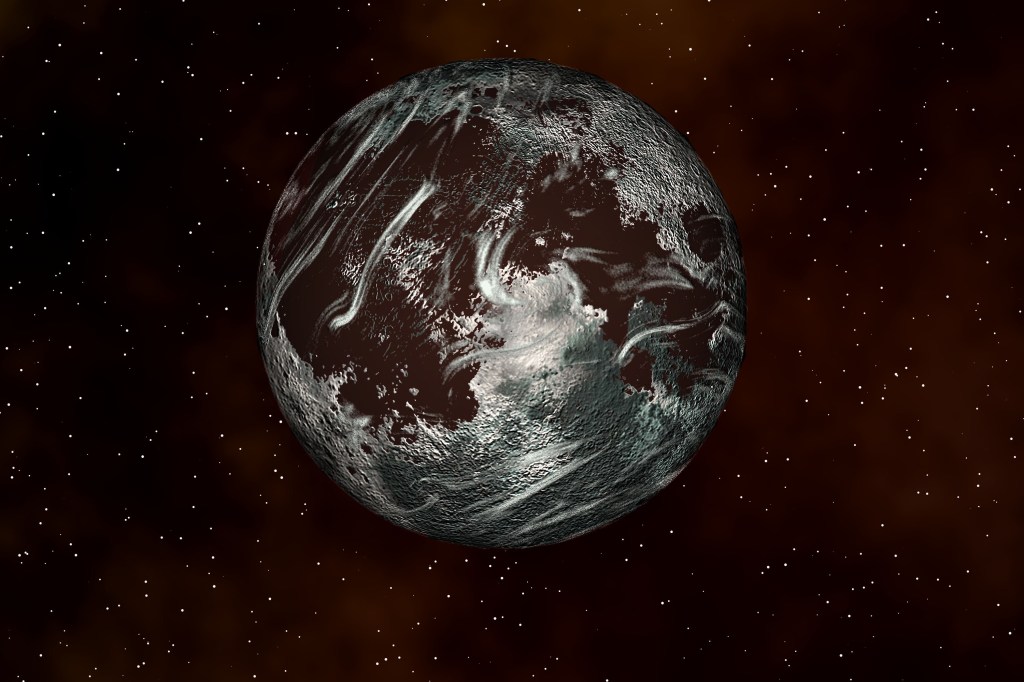
Originally, I planned for my world to be a tidally locked planet mainly because I require the north pole to be in perpetual winter and the south pole in perpetual summer—leaving the equator and everything between 40 and -40 degrees latitude as the habitable zone of my world.
The result of a world with such a setup would be a world with temperate, unchanging seasons, and a north pole in permanent darkness and a south pole in permanent daylight, leaving the equator in permanent twilight.
Although this setup makes for some fun exploration, my world still requires day and night and seasonal changes—all of which would be impossible no matter how I try to make it work.
I ended up researching everything from binary star systems to gravitational pulls to red dwarfs and red giants to planetary precessions. Was I going to have to upheave all of my plans?
The Goldilocks Decision
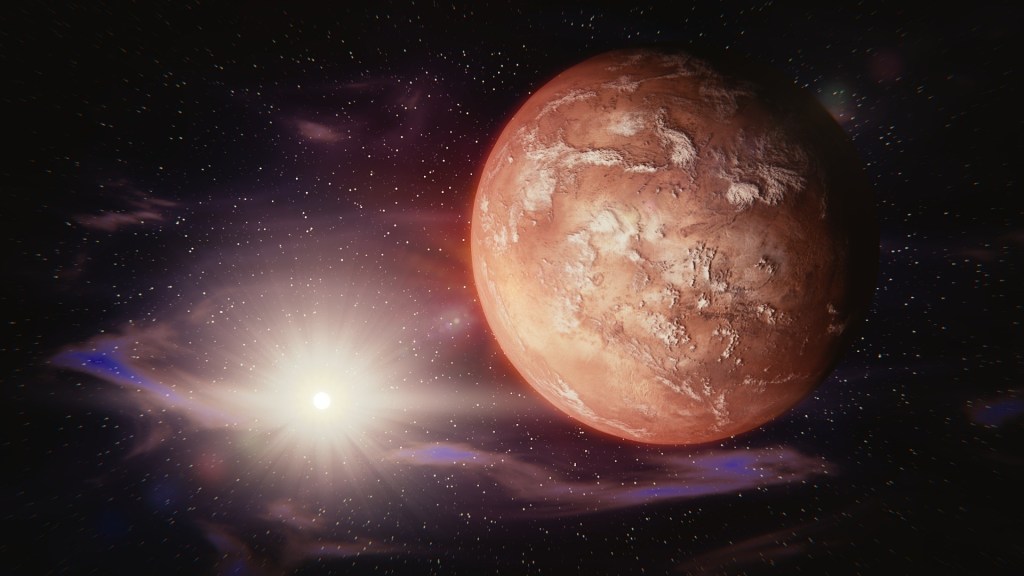
Fortunately, I did come to a solution that seems somewhat plausible. Bare with me as I try to explain my world’s new conditions with my puny knowledge of astrophysics. My world would have to have the following conditions:
- A Highly Eccentric Orbit
- Asymmetric Continents and Oceans
- Topographical Wind Barriers
A Highly Eccentric Orbit
In a typical planet, the north and south poles will swap seasons during the solstices. The planet will experience perihelion (which means closest to the star) during the southern summer, and aphelion (which means furthest from the star) during the northern summer. This creates permanent conditions for winter and a runaway ice age in the north pole, and flash-frying summers with permanent heat in the south pole.
Asymmetric Continents and Oceans
Since water helps to retain heat and regulate the temperature of a world, land masses experience temperature swings. I changed my world so that the south pole has a massive landmass with higher elevation and more mountains. The north pole now has an icy ocean, which will absorb some of the summer heat. There is also something called an Ice-Albedo Feedback Loop in which the glaciers reflect incoming solar radiation back into space. This prevents the snow from melting.
Topographical Wind Barriers
The intense heat from the south would typically travel north and melt the ice caps. Thus, a chain of high mountains would have to surround the southern polar continent to create a barrier that blocks moisture from reaching the south pole while also keeping the heat away from the rest of the planet.
I hope I roughly got that right!
Eventual Apsidal Precession
Eventually, Planet Solis will wobble and its axis will rotate and the climate between the poles will reverse.
Why This Is Important
To be honest, I’m still not sure if any of this is possible, but it seems to be the most reasonable explanation for my worldbuilding choices.
I am no scientist, but I like to think that I do some research to create reasonably realistic worlds. As I create Solis, I find that it is easier to build cultures and conditions when the geography of the world makes sense. For example, the people of my southern pole are mostly divided from the rest of the world due to the high mountains and deserts. They choose to remain in the desert because the other option is the treacherous, often stormy ocean that has claimed plenty of ships due to its hotter climate.
I did the best that I could given my limitations, but when in doubt, I shouldn’t be too hard on myself because Star Wars exists. In fact, knowing that Star Wars exists relieves a bit of the anxiety and pressure off of having an entirely accurate physically possible world. I still want room for creative freedom, after all.

